A journey through living Japanese traditions

Edo Craftsmanship
on the Nikko Kaido

Follow the story of Edo craftsmanship, and learn it with your own hands.

The craftsmanship of the Edo period (1603–1868) reached its peak at Nikko Toshogu. Today, Kasukabe’s paulownia chests and Kanuma’s kumiko woodwork carry on those skills and that aesthetic.

February 6–7, 2027  ·  Two days / One night

Discover the Journey
A celebration of Japanese craftsmanship

Two days with Japan’s woodworking culture, handed down since the Edo period, and hands-on guidance from master craftspeople.

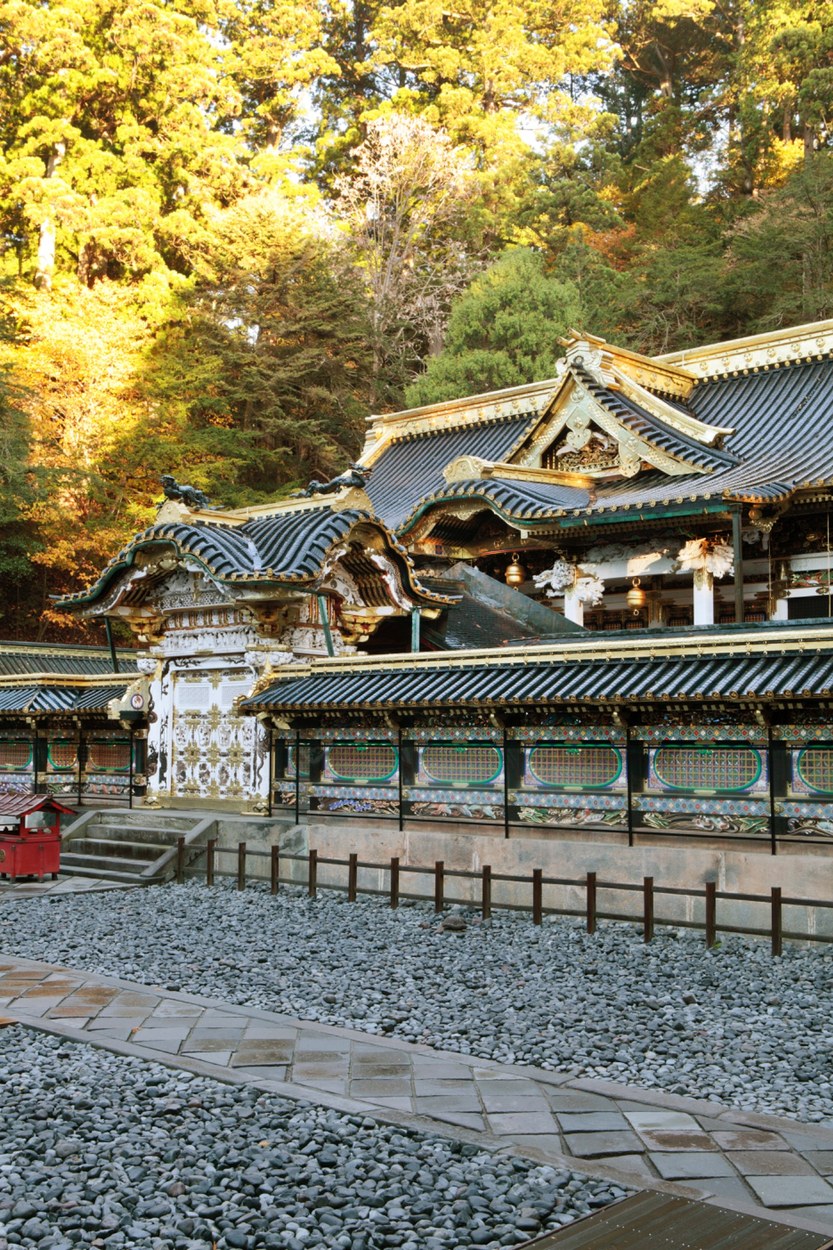
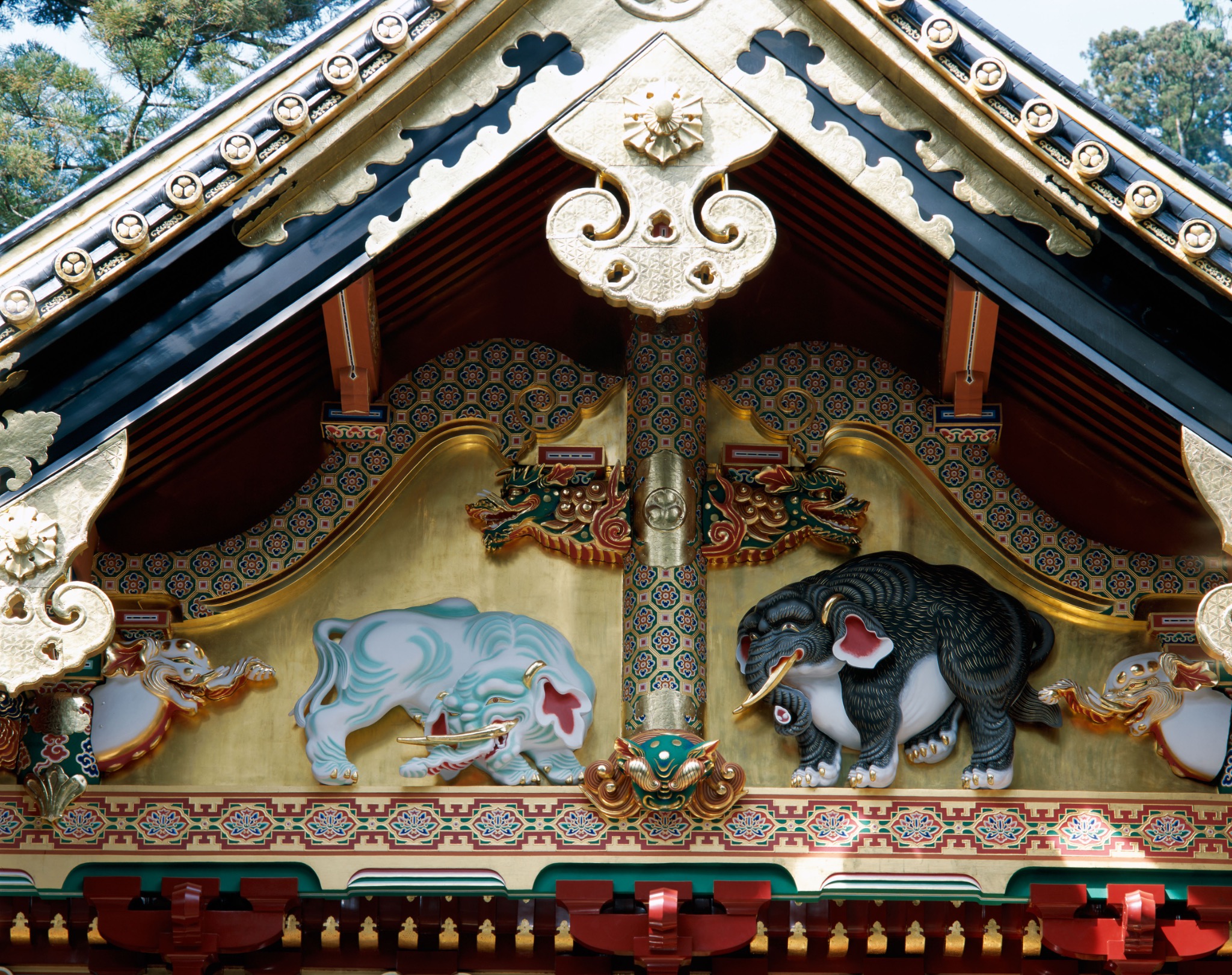
Elephant carvings and ornate architectural details at Nikko Toshogu
Nikko Toshogu / Architectural Details
02 / The Story

Craftsmanship handed down from the Edo period

From the building of Nikko Toshogu to the craft towns north of Tokyo.

In the Edo period, skilled craftsmen were gathered from across Japan to build Nikko Toshogu.

Architecture, carving, lacquer and woodwork came together there. The craftsmen’s skills and sense of beauty spread to the towns along the Nikko Kaido, the old highway from Edo (Tokyo) to Nikko, and became the foundation of local craft.

Kasukabe’s paulownia chests and Kanuma’s kumiko latticework grew out of this history and are still made today.

On this tour, you start at Nikko Toshogu and follow the Edo craft culture that lives on in the region north of Tokyo.

An old road, a living legacy

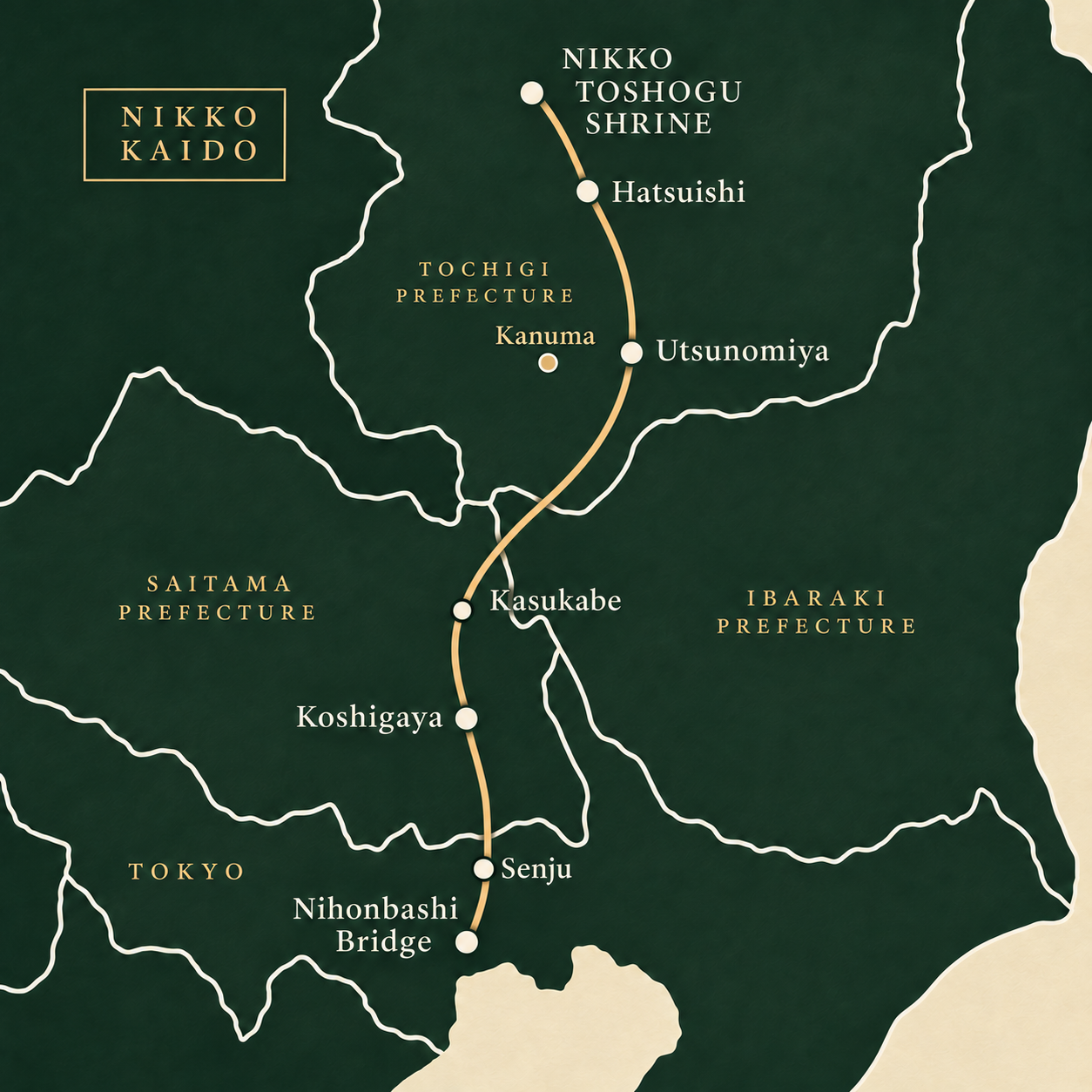
Along the
Nikko Kaido

Nihonbashi · Senju · Koshigaya · Kasukabe · Utsunomiya · Hatsuishi · Nikko Toshogu Shrine, with Kanuma shown nearby

Your journey starts at Senju, the first post town on the Nikko Kaido.

Nikko Kaido Kanuma (Nikko Reiheishi Kaido, off-route)

04 / Special Highlight

A conversation with the chief conservator who protects Nikko’s treasures

How craft skills and their value are passed down across centuries.

At Nikko Toshogu, a World Heritage site, Masahiko Harada, the chief conservator who directs its conservation and restoration, and cultural navigator Steve Beimel sit down for an exclusive conversation.

Mr. Harada leads the conservation and restoration of National Treasures and Important Cultural Properties. He works with craftspeople in architecture, lacquer, painting and decorative metalwork to carry the value of these historic buildings into the future.

These buildings and their decoration have lasted for centuries. How are their techniques protected, and how are they passed to the next generation? This is a chance to hear directly from a specialist at the front line of conservation, something no ordinary sightseeing tour offers.
Masahiko Harada

Masahiko Harada
Chief Conservator, Nikko Shaji Bunkazai Hozonkai (Foundation for the Preservation of the Cultural Properties of Nikko’s Shrines and Temples)

Read the conservator's biography

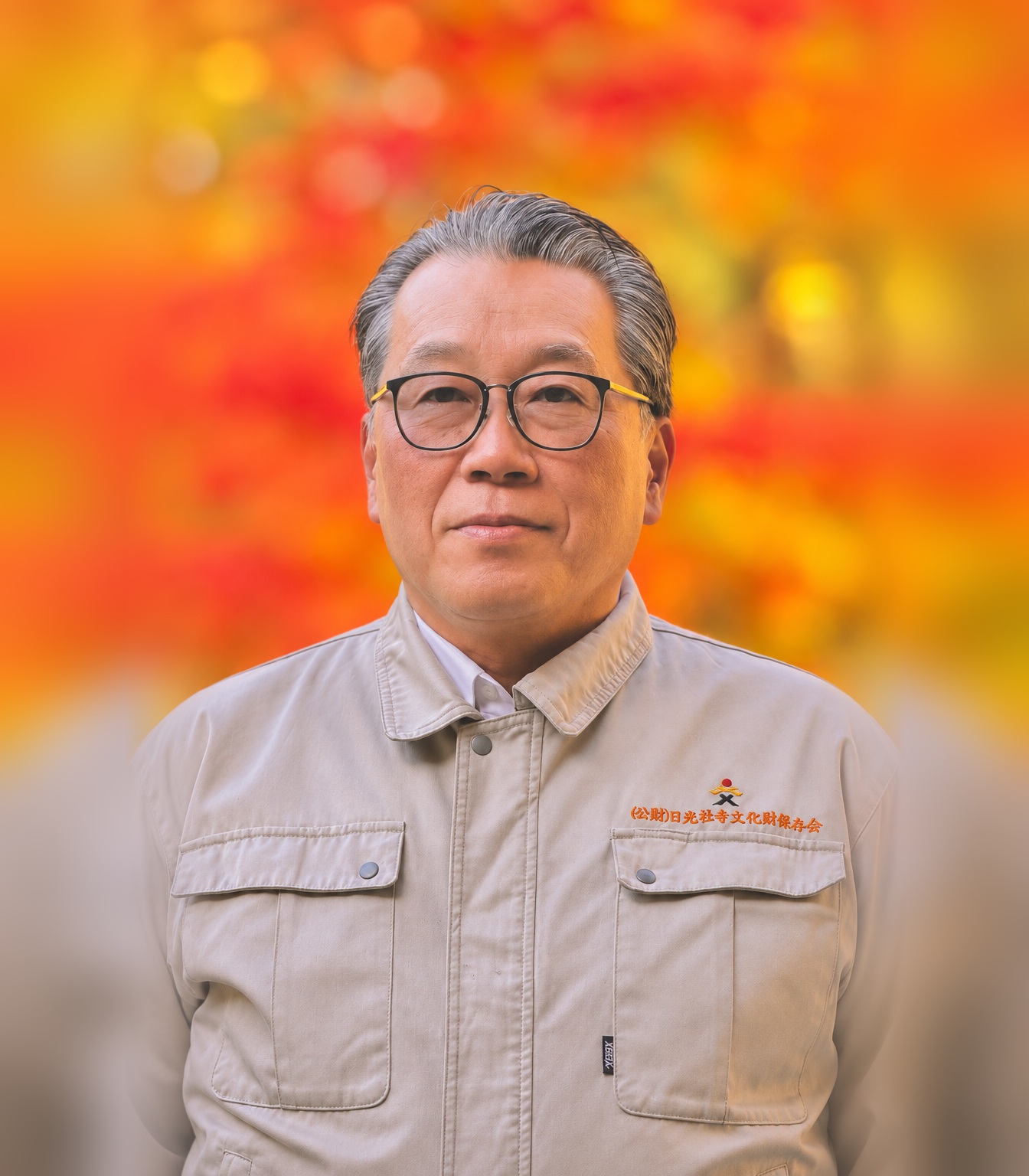
He is the on-site director responsible for the conservation and restoration of 103 buildings designated as National Treasures and Important Cultural Properties at the World Heritage site “Shrines and Temples of Nikko” (Nikko Toshogu, Futarasan Shrine and Rinnoji Temple). With expertise in restoring historic buildings, he works with specialist craftspeople in architecture, lacquer, painting and decorative metalwork to pass on the value of these cultural properties.

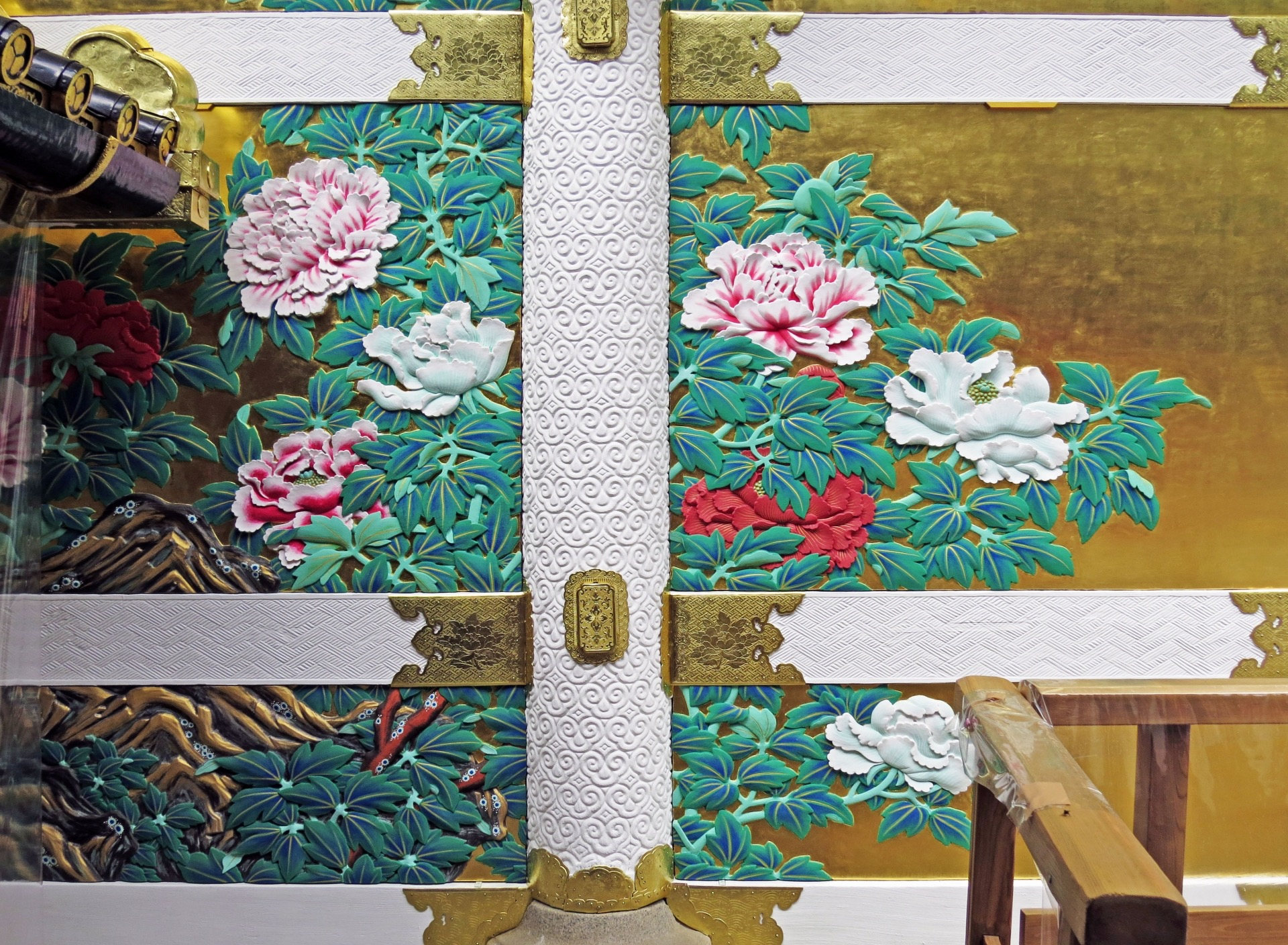
Intricate carved peonies and gilded details at Nikko Toshogu
Nikko Toshogu / Carved Peonies
Portrait of Masahiko Harada
Masahiko Harada
Portrait photograph of cultural navigator Steve Beimel
Steve Beimel
05 / Craft Experiences

Two traditional craft workshops

Learn from master craftspeople and make your own piece by hand.

Japanese woodworking skills have been refined over centuries. You learn directly from craftspeople who carry on these skills, and experience the materials and methods of traditional craftsmanship.

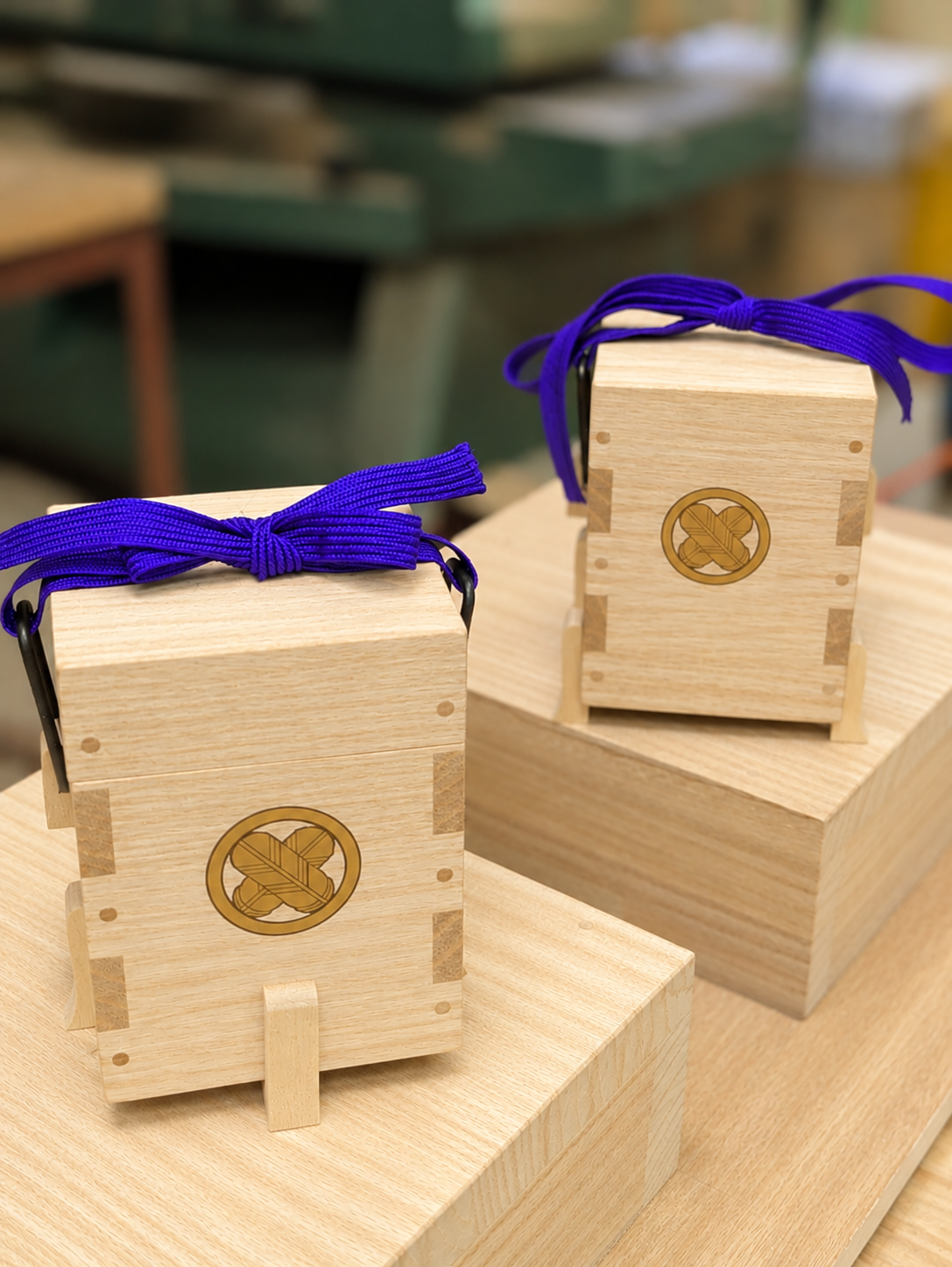
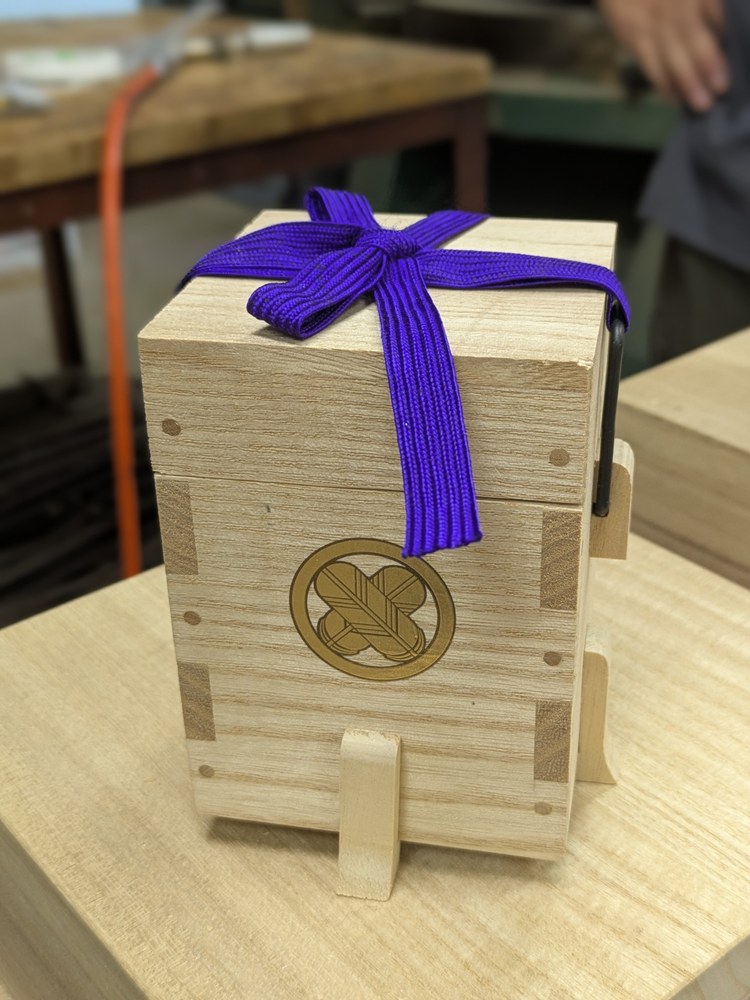
Two paulownia keepsake boxes tied with purple cords displayed at the Kasukabe workshop
Experience 01 / Kasukabe

Paulownia (kiri)
keepsake box

Paulownia wood, used for centuries to protect what matters most.

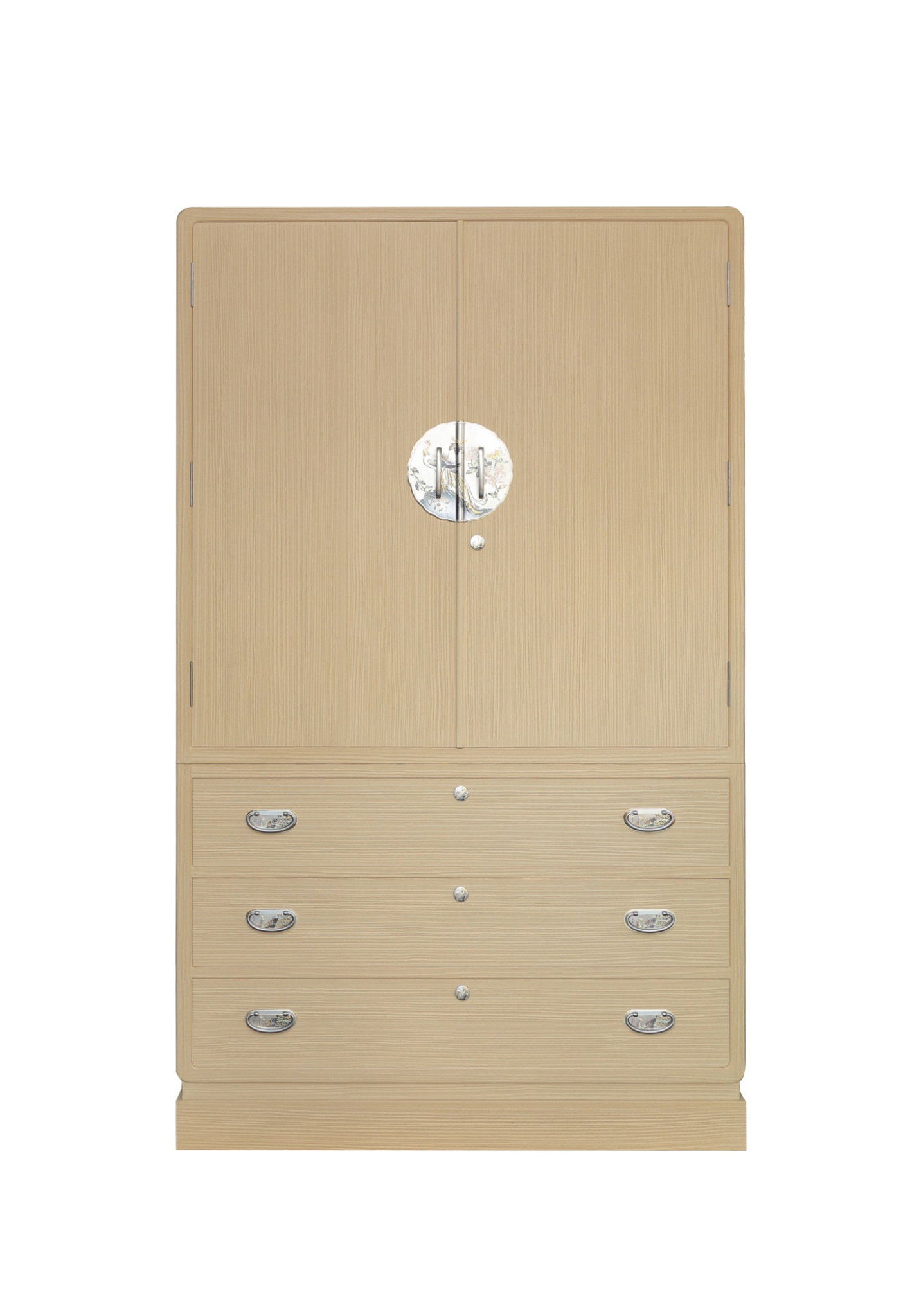
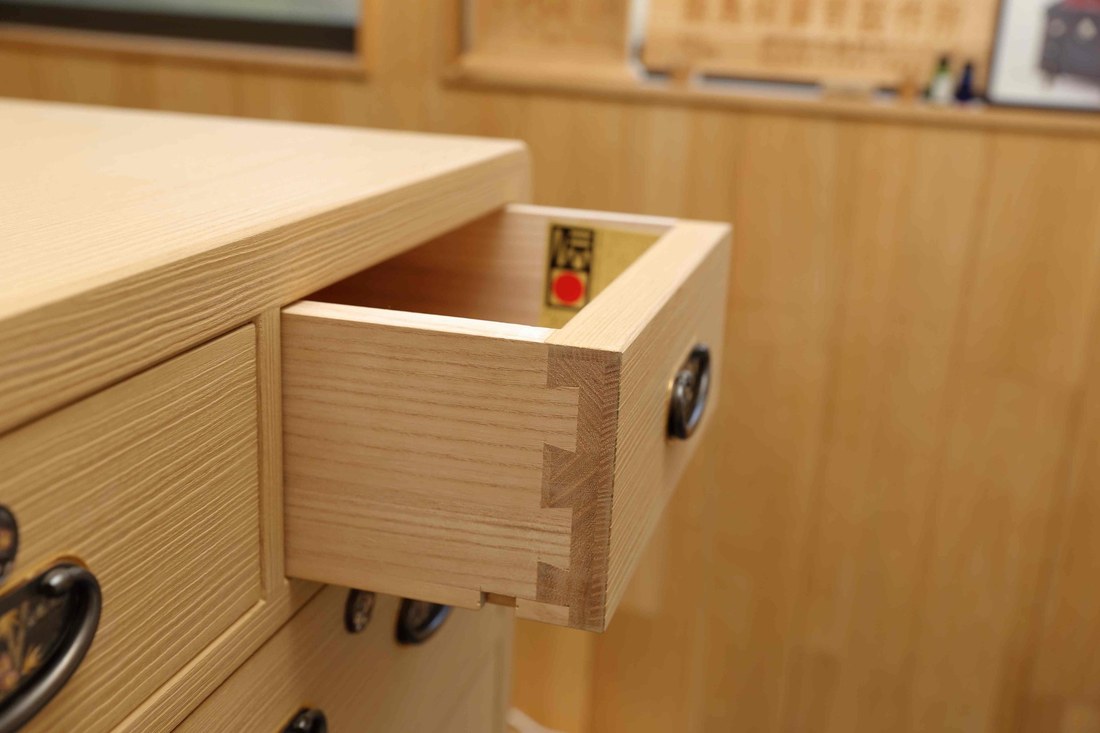
Light and good at regulating humidity, paulownia has long been used for chests and boxes that store precious items. In Kasukabe, known for its paulownia chests, you learn box-making from a craftsman who carries on the tradition. You learn how the wood behaves, watch the craftsman’s handwork up close, and make your own paulownia box.

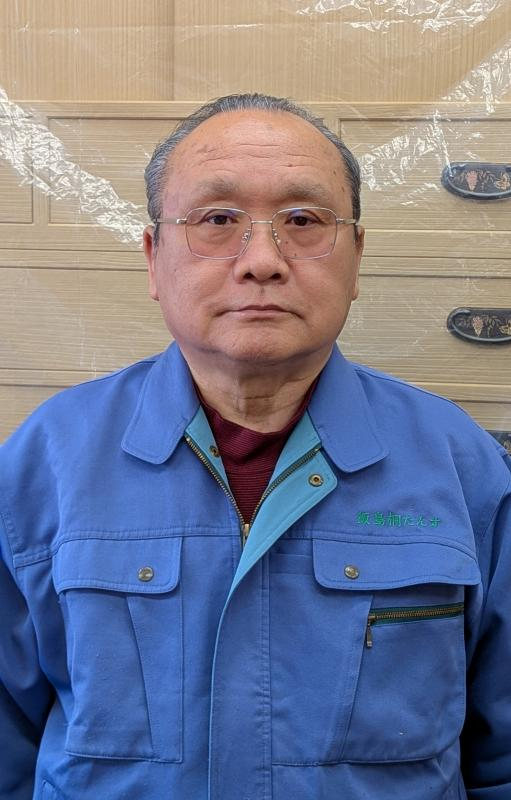
Portrait photograph provided for master craftsman Tsutomu Iijima
Meet the craftsmanTsutomu Iijima

Iijima Kiri-Tansu Workshop

Why paulownia
  • Light: easy to handle
  • Humidity control: absorbs and releases moisture
  • Protection: long used for boxes and chests that store precious items
Kasukabe city

Kasukabe has made paulownia chests since the Edo period. Its skill with paulownia grew from links to the craftsmen who built Nikko Toshogu.

The craftsman

Tsutomu Iijima
A master craftsman specializing in traditional paulownia furniture, he is a nationally certified holder of Selected Conservation Techniques. He also creates paulownia boxes for the preservation of fine arts and cultural artifacts, dedicating himself to preserving and passing on traditional craftsmanship.

The workshop

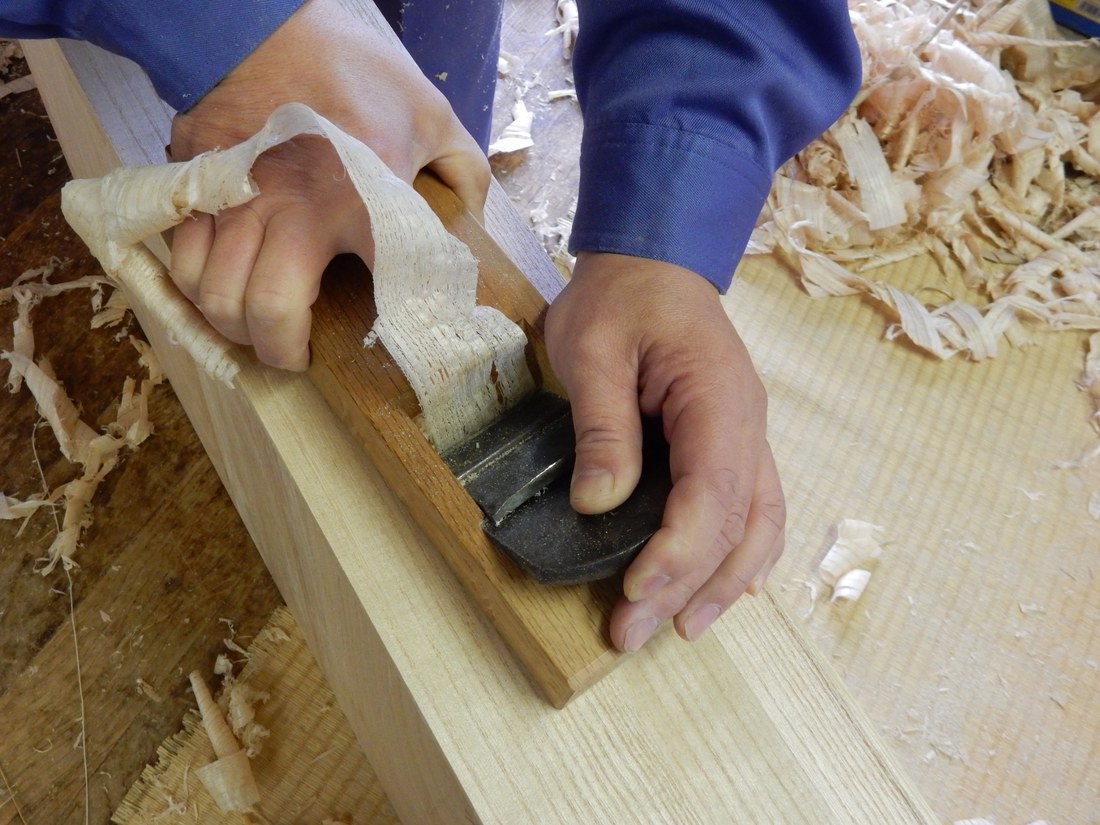
Under the craftsman’s guidance, you make a paulownia box. You learn about paulownia as a material and the techniques built into box-making.

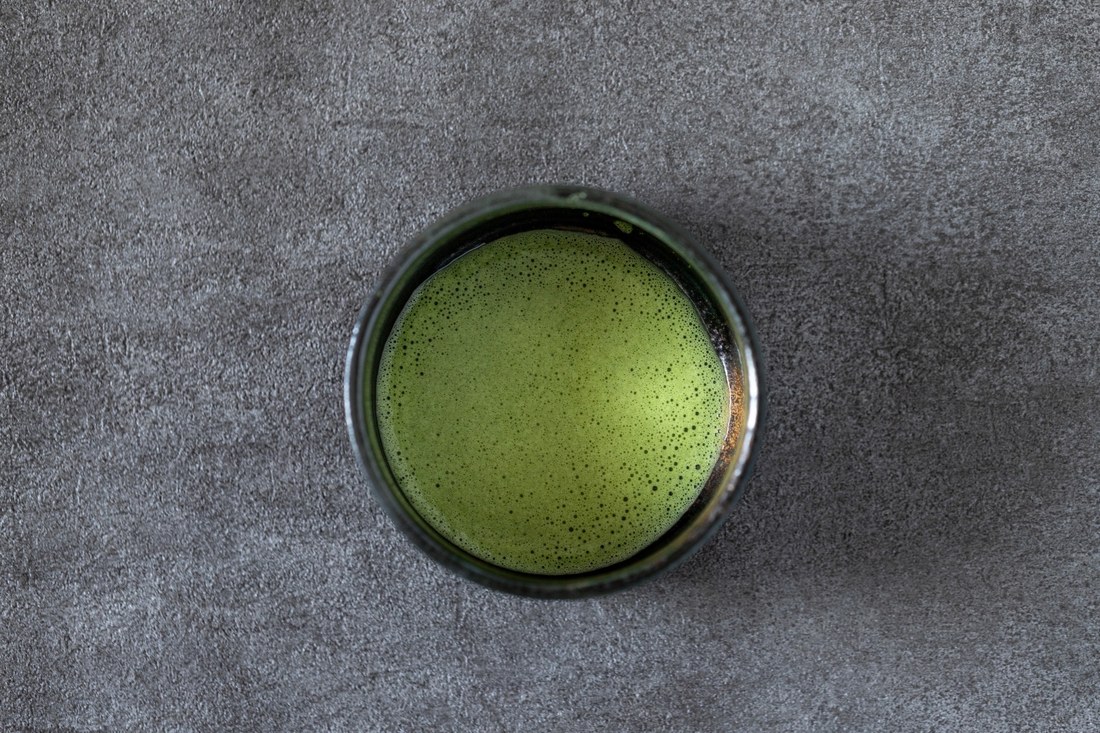
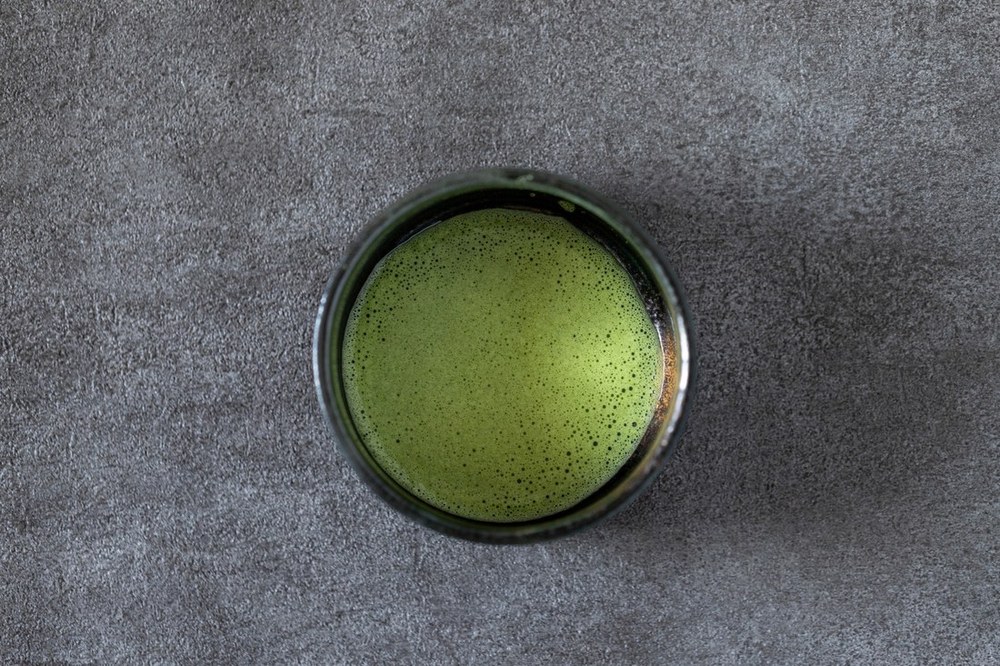
A bowl of green matcha tea served as part of Japanese hospitality
A moment of hospitality

Matcha hospitality

After the workshop, you walk to a nearby community hall. Along with a boxed lunch, local hosts serve you a bowl of matcha.

Hiromi Koda
Professor of Edo Senke Ihaku-style Tea Ceremony.
Born in Tokyo in 1954, she has studied and practiced the Edo Senke Ihaku tradition since 1978. She has taught tea ceremony in Koshigaya since 1993.

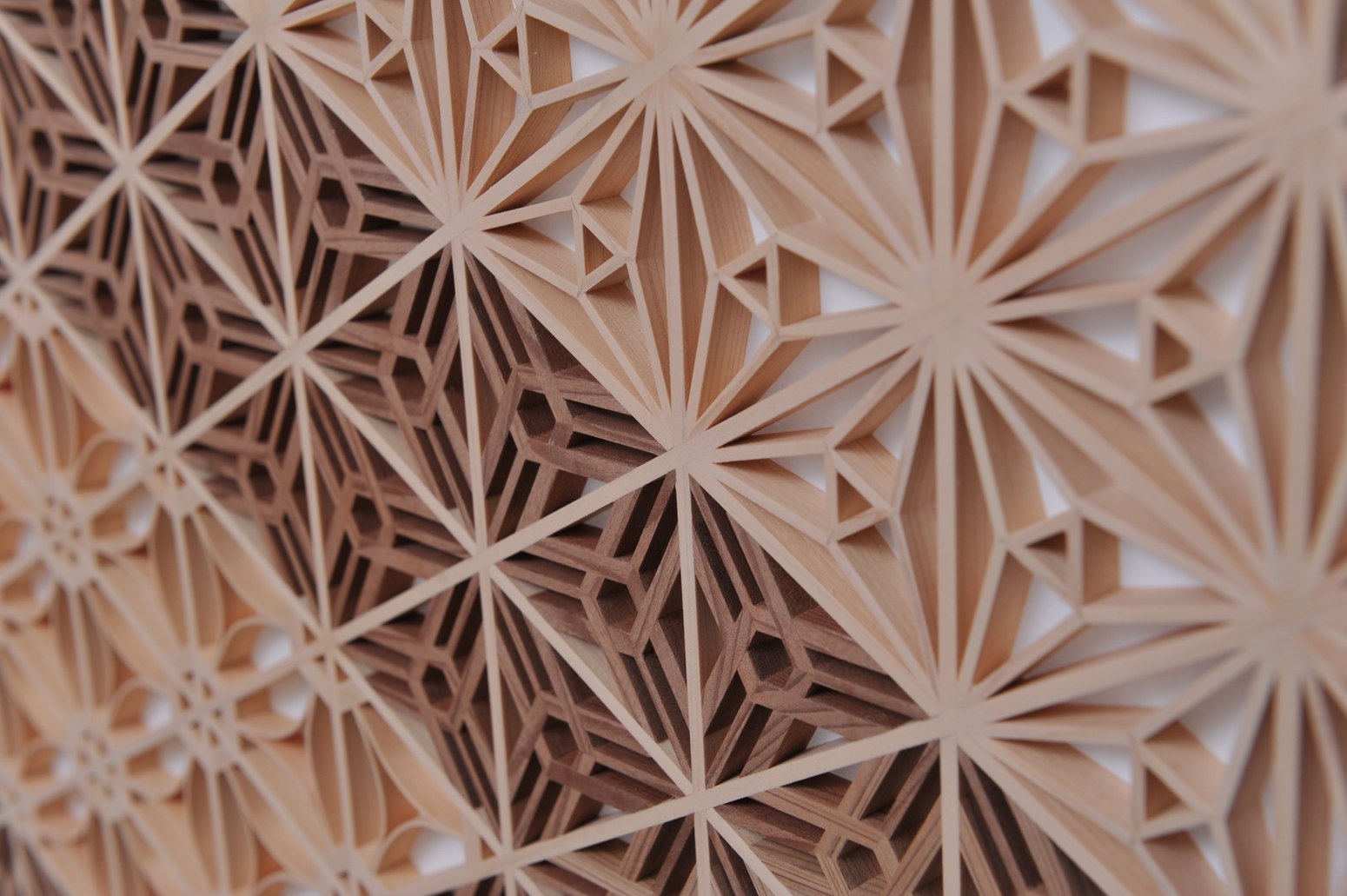
Close-up of the precise geometric wooden latticework of Kanuma kumiko
Experience 02 / Kanuma

Kumiko
woodwork

Wood joined to shape light: the precise world of kumiko.

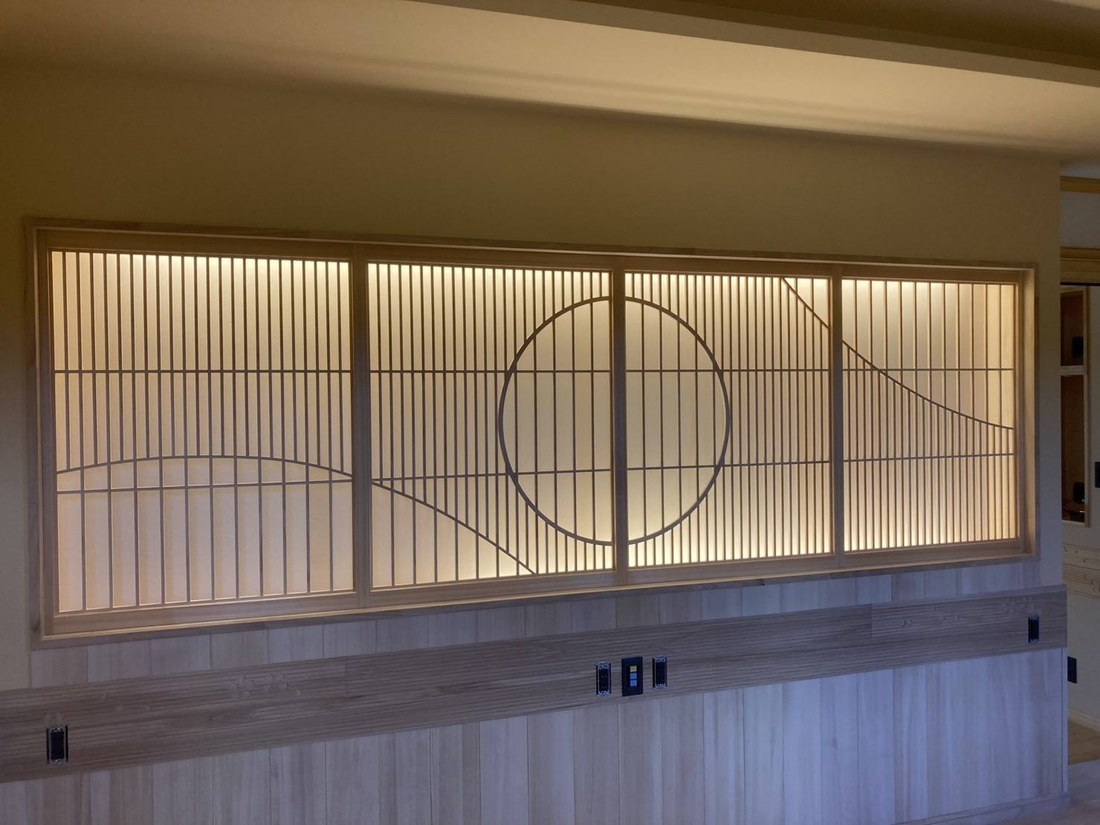
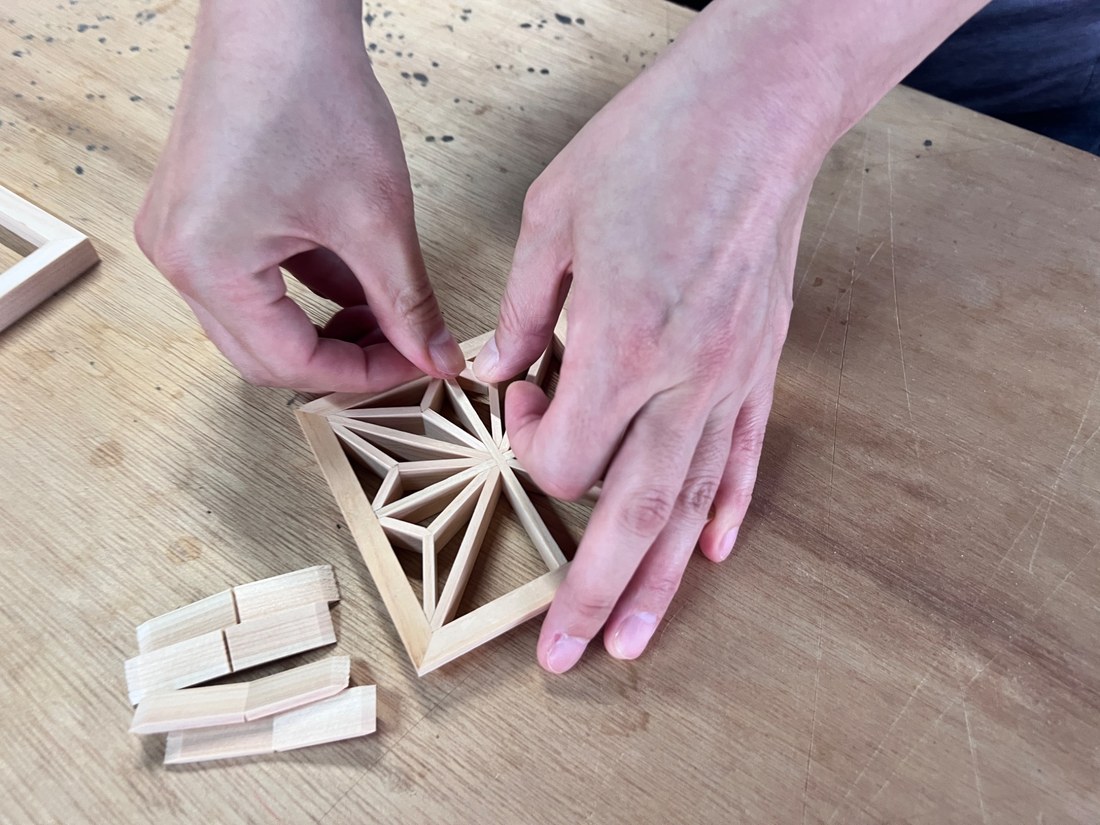
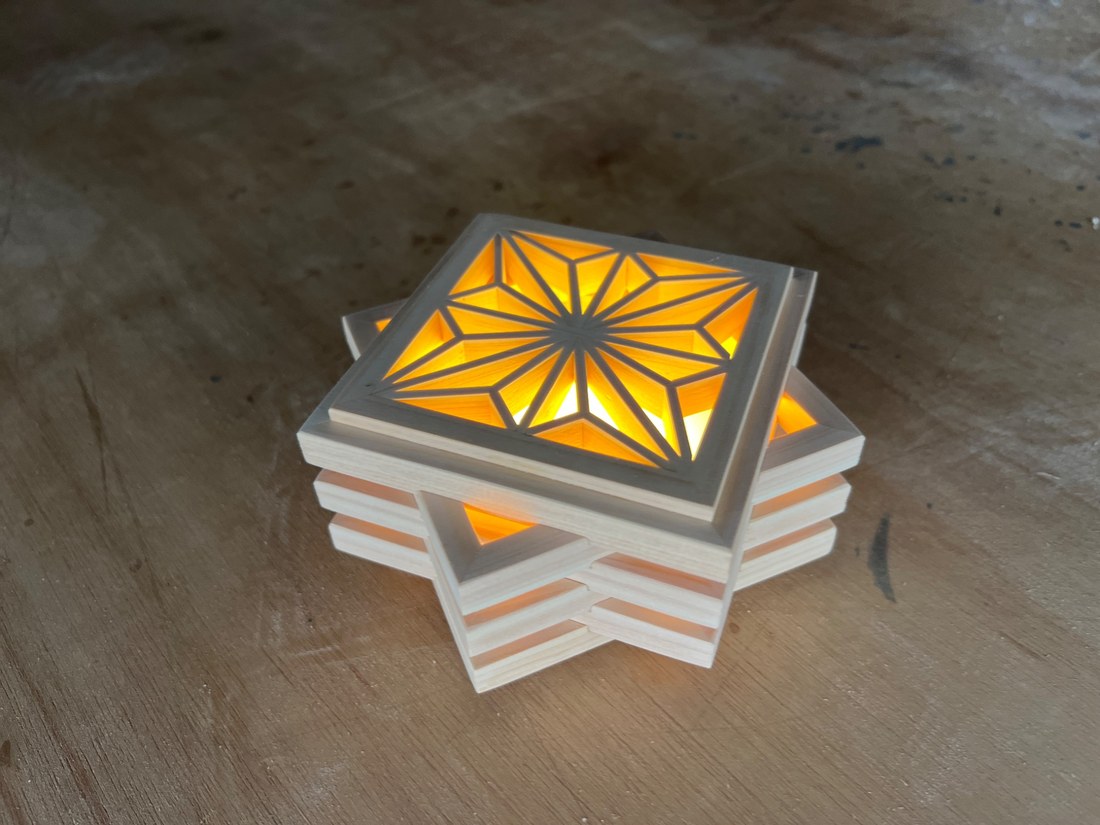
Kumiko is a traditional Japanese woodworking technique. Thin pieces of wood are cut precisely and joined without nails to form geometric patterns.

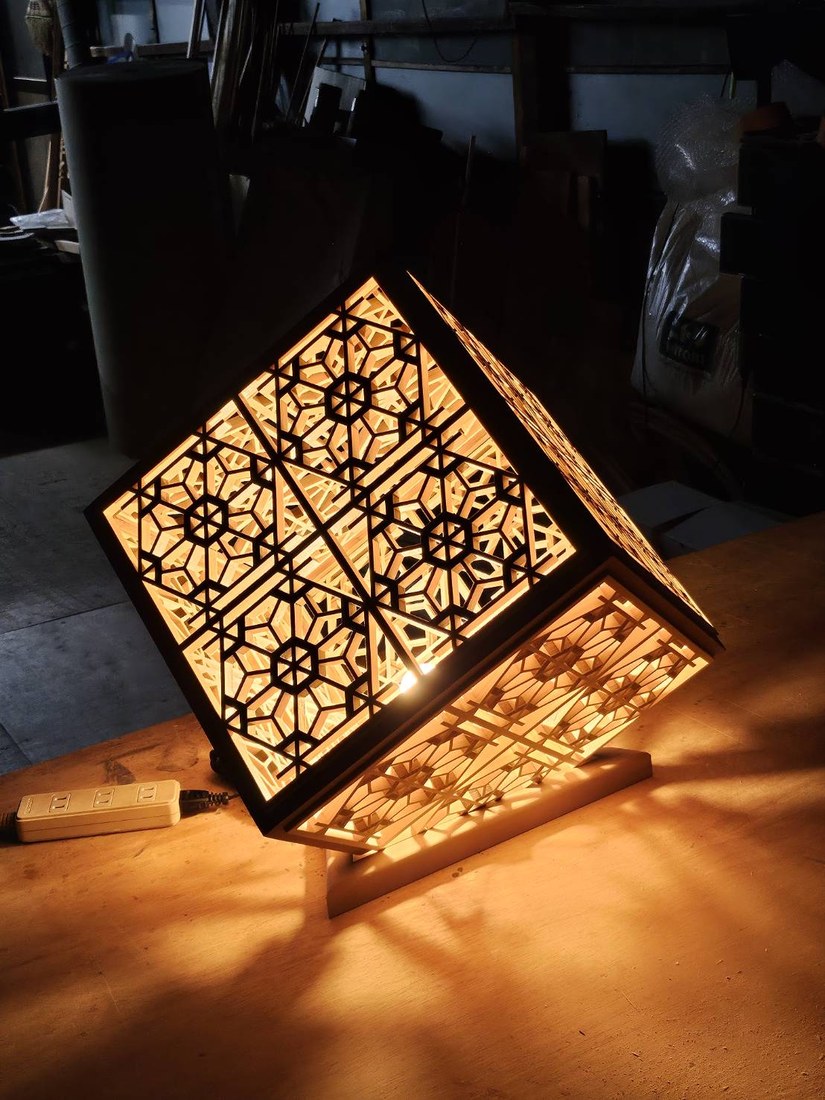
A fraction of a millimeter changes the result. When light passes through the patterns, they cast shapes across the room.

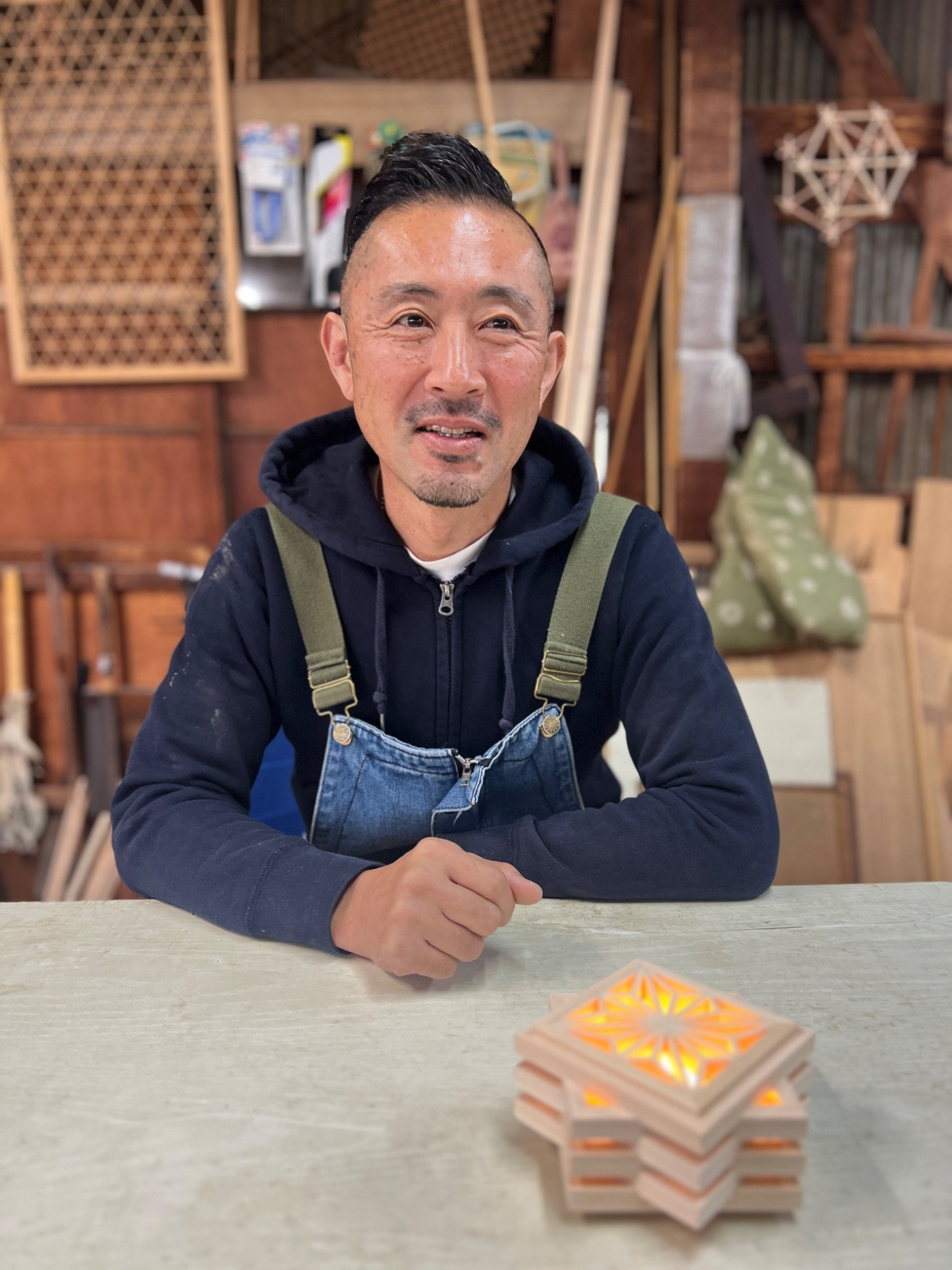
With guidance from a kumiko craftsman, you experience the technique and its design, and make your own kumiko table lamp.

Portrait photograph provided for kumiko craftsman Hidemi Yoshihara
Meet the craftsmanHidemi Yoshihara

Yoshihara Mokugei

Kanuma and kumiko

Kanuma is one of the towns where the skills of Toshogu’s craftsmen were passed down. Its woodworking tradition gave rise to precise kumiko work.

The craftsman

Managing Director of Yoshihara Mokugei. A nationally certified Traditional Craftsman (Dento Kogeishi) and a “Kanuma Master Craftsman” named by the city. Yoshihara began kumiko in earnest at 21 under his father, Koji, and now works with two younger brothers. Yoshihara is known for using a special V-shaped plane to cut exact traditional patterns. As Japanese-style architecture declines, Yoshihara also teaches workshops to pass kumiko on to the next generation.

The workshop

Under the craftsman’s guidance, you make a table lamp using kumiko. You see the patterns that form as the pieces join, and the play of light and shadow.

06 / The Itinerary

Two days, one night

Dates: Saturday, February 6 to Sunday, February 7, 2027

Tokyo → Kasukabe → Nikko

  1. Meet at Kita-Senju Station, East Exit rotary (8:30 a.m.), and depart by bus—
  2. Bus ride. Introduction to Edo woodworking and the Nikko Kaido1 hr 30 min
  3. Arrive at Iijima Kiri-Tansu Workshop, Kasukabe20 min
  4. Paulownia (kiri) keepsake box workshop, with a demonstration and explanation of traditional techniques1 hr 30 min
    Finished paulownia keepsake box with purple cord in the Kasukabe workshop
    Kasukabe · Paulownia workshop
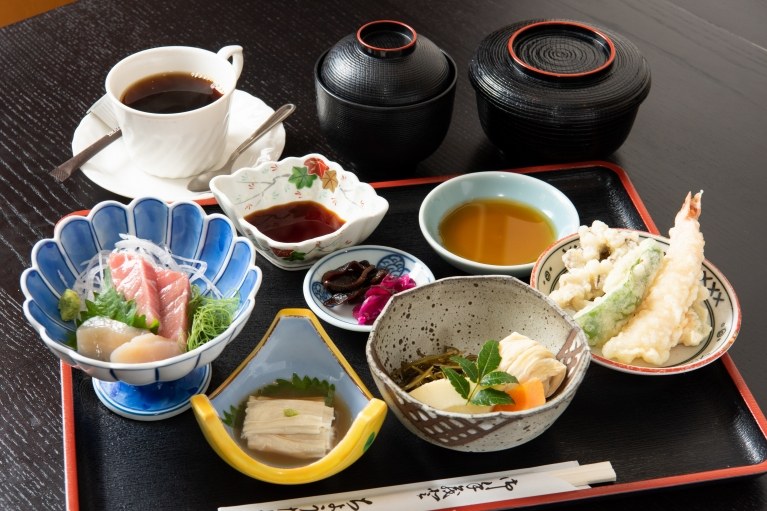
  5. Lunch and matcha40 min
    A bowl of matcha tea
    Lunch & matcha
  6. Bus to Nikko2 hr
  7. Nikko Toshogu: special viewing of the Shogun’s Waiting Room2 hr
    Nikko Toshogu Shrine architecture
    Nikko Toshogu
  8. Check in at Hotel Kosho, Nikko. Dinner—
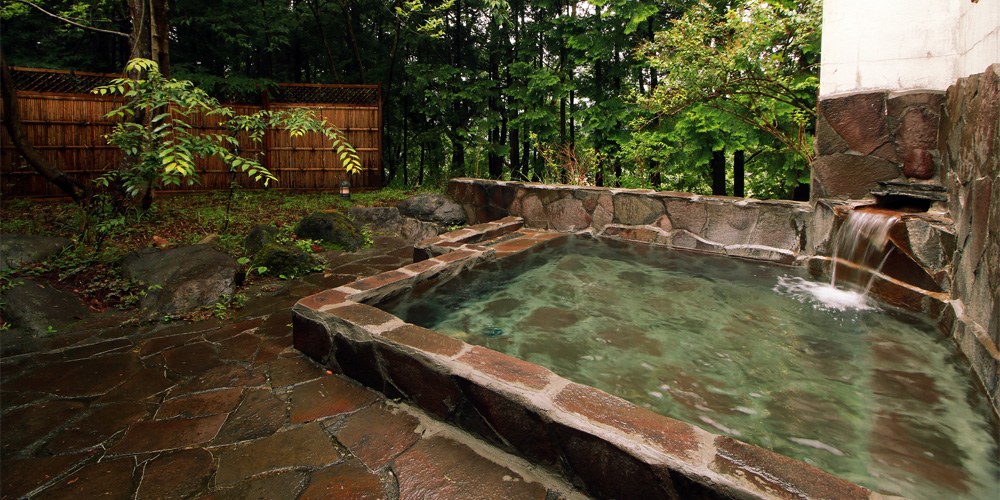
    Outdoor hot spring bath at the overnight hotel
    Hotel Kosho

Note: Times are approximate and may change with traffic and weather.

07 / Tour Information

The details of your journey

Everything you need to know before you apply.

Tour price

JPY 150,000 / person

Based on double occupancy · Tax included

Single room: +JPY 3,150

Request a Booking

At a glance

DatesSaturday, February 6 to Sunday, February 7, 2027
Duration2 days, 1 night
PriceJPY 150,000 per person, based on double occupancy (tax included)
Application deadlineWednesday, January 6, 2027
BusTobu Bus (private chartered bus)
Tour escortNone
GuidesAn English-speaking navigator for the whole tour, and interpreters at each workshop
MealsOne breakfast, two lunches, one dinner
Meeting pointKita-Senju Station, East Exit rotary, Tokyo (8:30 a.m.)
Drop-off pointKita-Senju Station, East Exit rotary, Tokyo (arrival around 7:30 p.m.)
Minimum number of guests3
Tour organizer and operatorTobu Bus Co., Ltd. (Registered Travel Agency No. 2-5200, Governor of Tokyo)

Included in the price

  • Private chartered bus from and to Tokyo
  • One night at Hotel Kosho, including the hot spring tax
  • Four meals (one breakfast, two lunches, one dinner)
  • Two craft workshops, materials included; take home what you make
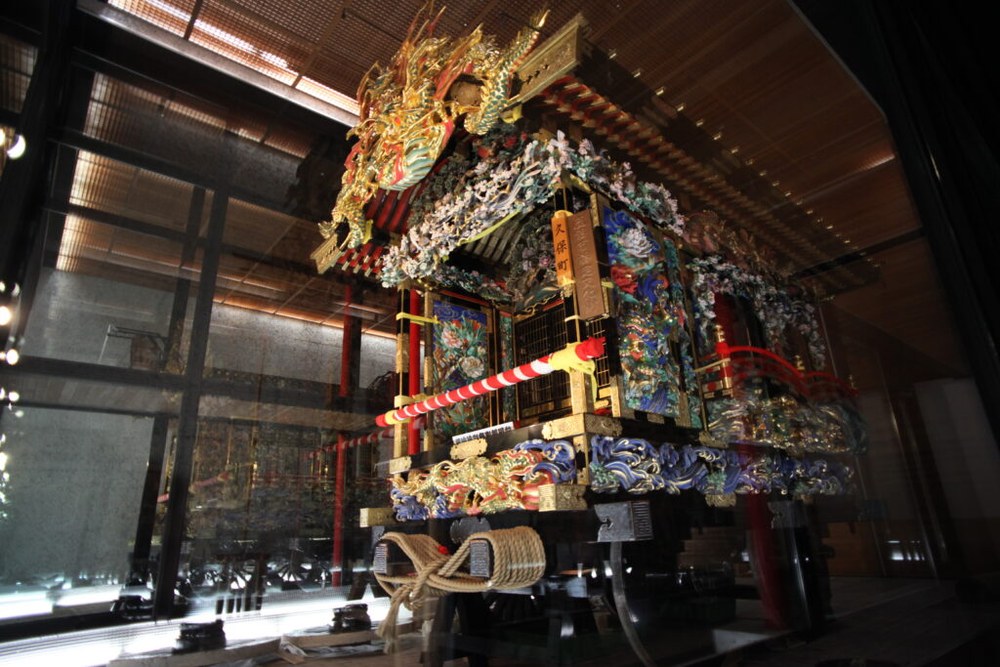
  • Special viewing at Nikko Toshogu, the special dialogue, and visits to Kikusui-en and the Carved Float Museum
  • English-speaking navigator and interpreters
  • English booklet and workshop guides

Not included

  • Travel to the meeting point and from the drop-off point
  • Accommodation before and after the tour
  • Extra drinks with meals, and personal food and drink
  • Souvenirs (at Kikusui-en, the Carved Float Museum and the kumiko and woodcraft shop)
  • Optional travel insurance

Cancellation fees

If you cancel for personal reasons after applying, the following fee applies per person.

On or before January 26, 2027Free
January 27–2920% of the tour price
January 30–February 430%
February 5 (the day before departure)40%
February 6 (day of departure)50%
After departure or no-show100%

If fewer than the minimum number of guests apply, the tour is canceled. We will tell you at least 14 days before departure and refund your payment in full.

Before you join

  • Workshops are seated and last about 90 minutes each. No experience is needed.
  • At Toshogu and Kikusui-en, you walk on steps and, on some days, snowy paths.
  • Nikko in February is about 23–41°F (−5 to 5°C). Please bring warm clothing.
  • You take off your shoes at Toshogu and some other places. Please wear shoes that are easy to remove.
  • Bus luggage space is limited to one suitcase per person.
  • We can provide meals for guests with food allergies and vegetarian meals. Please tell us when you apply. We cannot provide vegan or halal meals.
  • The conversation is held in Japanese with English interpretation.
  • The itinerary may change or be canceled due to weather or road conditions.
  • You will share the bus with guests from other bookings.
08 / Reservation

A rare encounter with
living traditions.

Follow the story of Edo craftsmanship, and learn it with your own hands.

Request a Booking

An application is not a confirmed reservation. Please read the Travel Conditions before you apply.

01

Fill in and send the application form (Tobu Bus Tour Application Form; reception desk: World Heritage Theater Executive Committee).

02

You receive an email confirming we received your application.

03

Within 2 business days, Tobu Bus emails you payment instructions.

04

Pay by bank transfer by the deadline. Your booking is confirmed when payment is received.

05

After your booking is confirmed, Tobu Bus asks for each guest’s passport number. Before departure, we email you the final itinerary and meeting details.

Note: Sending the form does not confirm your booking.
Please read the Travel Conditions before you apply.

Questions & Answers

Frequently asked questions

Can I join if I don’t speak Japanese?

Yes. An English-speaking navigator accompanies the whole tour, and interpreters join at each workshop.

What is included in the price?

Private bus, one night’s accommodation, four meals, two craft workshops (materials included), the special viewing at Toshogu, the special dialogue, and English-language guiding. See “Tour Information” for details.

How do I pay?

By bank transfer. After you apply, Tobu Bus emails you payment instructions within 2 business days.

Can I join on my own?

Yes. A single room costs an extra JPY 3,150.

Can I cancel?

Cancellation is free on or before January 26, 2027. After that, cancellation fees apply. See “Cancellation fees” for details.